


Guide to Motorcycle Protection Standards
Motorcycle riding offers unmatched freedom—but it also comes with real risks. Whether you're a daily commuter, weekend rider, or long-distance tourer, understanding motorcycle protection standards is essential for staying safe on the road. This comprehensive guide breaks down the key certifications, what they mean, and how to choose gear that truly protects you.
Why Motorcycle Protection Standards Matter
Motorcycle gear is not just about style—it's your first line of defense in a crash. Protection standards are designed to ensure that helmets, jackets, gloves, boots, and armor meet minimum safety requirements. Without these certifications, there’s no guarantee your gear will perform when it matters most.
Helmet Safety Standards Explained
Your helmet is the most critical piece of safety equipment. Here are the major standards you should know:
1. DOT (Department of Transportation)
- Required for road-legal helmets in the United States
- Ensures basic impact protection and penetration resistance
- Self-certified by manufacturers (less rigorous testing)
2. ECE (Economic Commission for Europe) – ECE 22.05 / 22.06
- Widely recognized internationally
- Requires third-party testing
- Newer ECE 22.06 includes more rigorous impact and rotational force testing
3. Snell Certification
- Voluntary, high-performance standard
- Focuses on high-speed impact protection
- Often used in racing environments
Armor Ratings: CE Levels Demystified
Protective armor in jackets, pants, and suits is rated under CE (Conformité Européenne) standards.
CE Levels:
- Level 1: Absorbs moderate impact energy
- Level 2: Absorbs significantly more force (better protection)
Key Areas of Protection:
- Shoulders
- Elbows
- Back
- Hips
- Knees
Pro Tip: Upgrade to CE Level 2 armor where possible—especially for back protectors.
Abrasion Resistance: How Gear Prevents Road Rash
Abrasion resistance determines how well your gear holds up when sliding on pavement.
Common Materials:
- Leather: Excellent abrasion resistance; ideal for sport riding
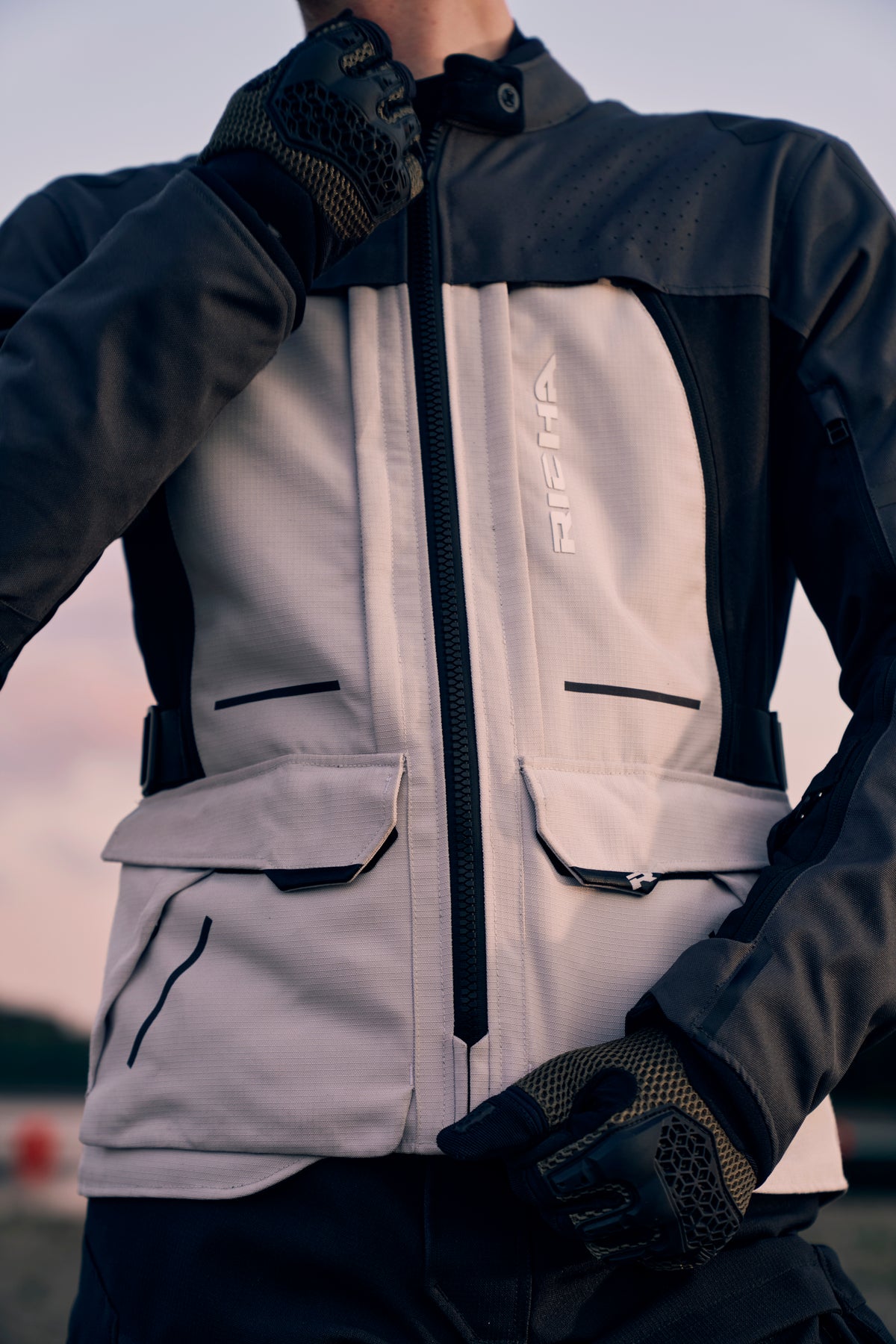
- Textile (Cordura, Kevlar blends): Lightweight with strong durability
- Mesh: Offers airflow but usually less abrasion resistance
CE Garment Ratings:
- A: Basic protection
- AA: Medium protection (touring/street riding)
- AAA: High protection (track-level safety)
Gloves and Boots: Often Overlooked Essentials
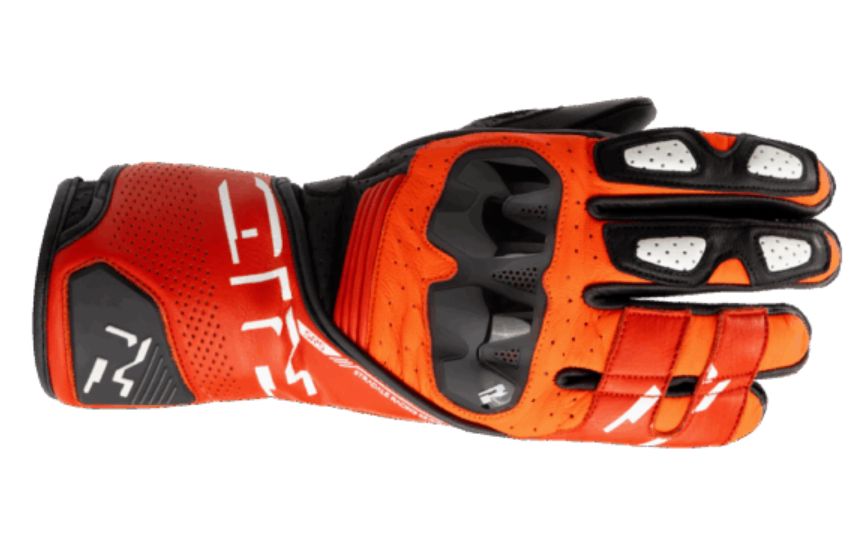
Gloves Standards (EN 13594)
- Knuckle protection
- Palm reinforcement
- Abrasion resistance
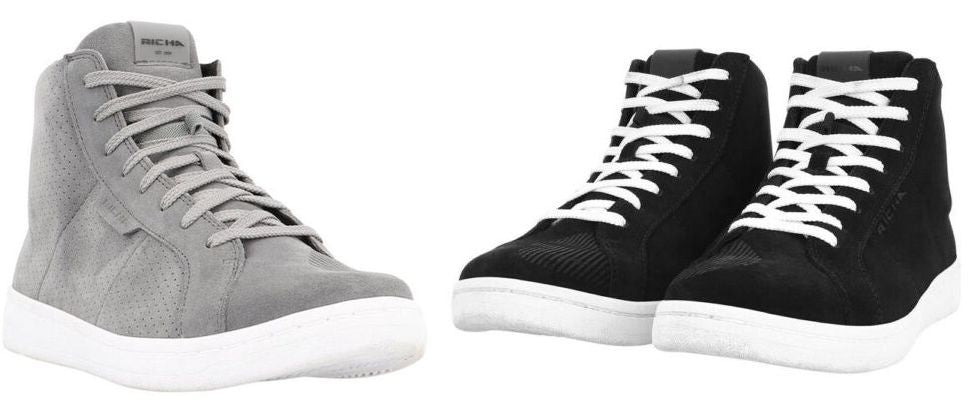
Boots Standards (EN 13634)
- Ankle protection
- Crush resistance
- Sole rigidity
Your hands and feet are instinctively used to break falls—protecting them is crucial.
How to Choose the Right Gear
When shopping for motorcycle gear, keep these tips in mind:
- Check Certifications: Look for DOT, ECE, CE labels
- Fit Matters: Loose gear won’t protect properly
- Layer Protection: Combine abrasion resistance with impact armor
- Match Your Riding Style: Touring, commuting, and racing require different gear
Common Mistakes to Avoid
- Buying gear based on looks alone
- Ignoring certification labels
- Using worn-out or damaged gear
- Skipping protective pants or boots
Final Thoughts
Motorcycle protection standards aren’t just technical jargon—they’re lifesaving benchmarks. Investing in certified gear ensures that you're not just riding in style, but riding smart. As technology advances, safety standards continue to evolve, offering riders better protection than ever before.
Before your next ride, take a moment to evaluate your gear. Because when it comes to motorcycle safety, being informed is just as important as being equipped.