

Riding a Motorcycle in Winter: Key Points Every Rider Should Know
For many riders, winter doesn’t have to mean the end of motorcycle season. While cold-weather riding comes with added risks and challenges, the right preparation, mindset, and gear can make winter riding safer—and even enjoyable. Whether you’re commuting year-round or sneaking out for crisp weekend rides, here are the key points to know about riding a motorcycle in the winter.
1. Cold Affects Everything—Especially You
Cold temperatures reduce your body’s ability to react quickly. Stiff fingers, numb toes, and reduced concentration can turn small mistakes into serious problems.
What to do:
- Layer properly (thermal base layers, insulating mid-layers, windproof outer layers)
- Take regular breaks to warm up
- Stay hydrated—cold weather still dehydrates you
If you’re shivering, your reaction time is already compromised.
2. Winter Gear Is Not Optional
Standard riding gear may not be enough in winter. Cold wind at highway speeds can quickly drain body heat, even on short rides.
Essential winter gear includes:
- Insulated, windproof gloves (heated gloves are a game-changer). Try Richa’s Inferno 12v heated gloves.
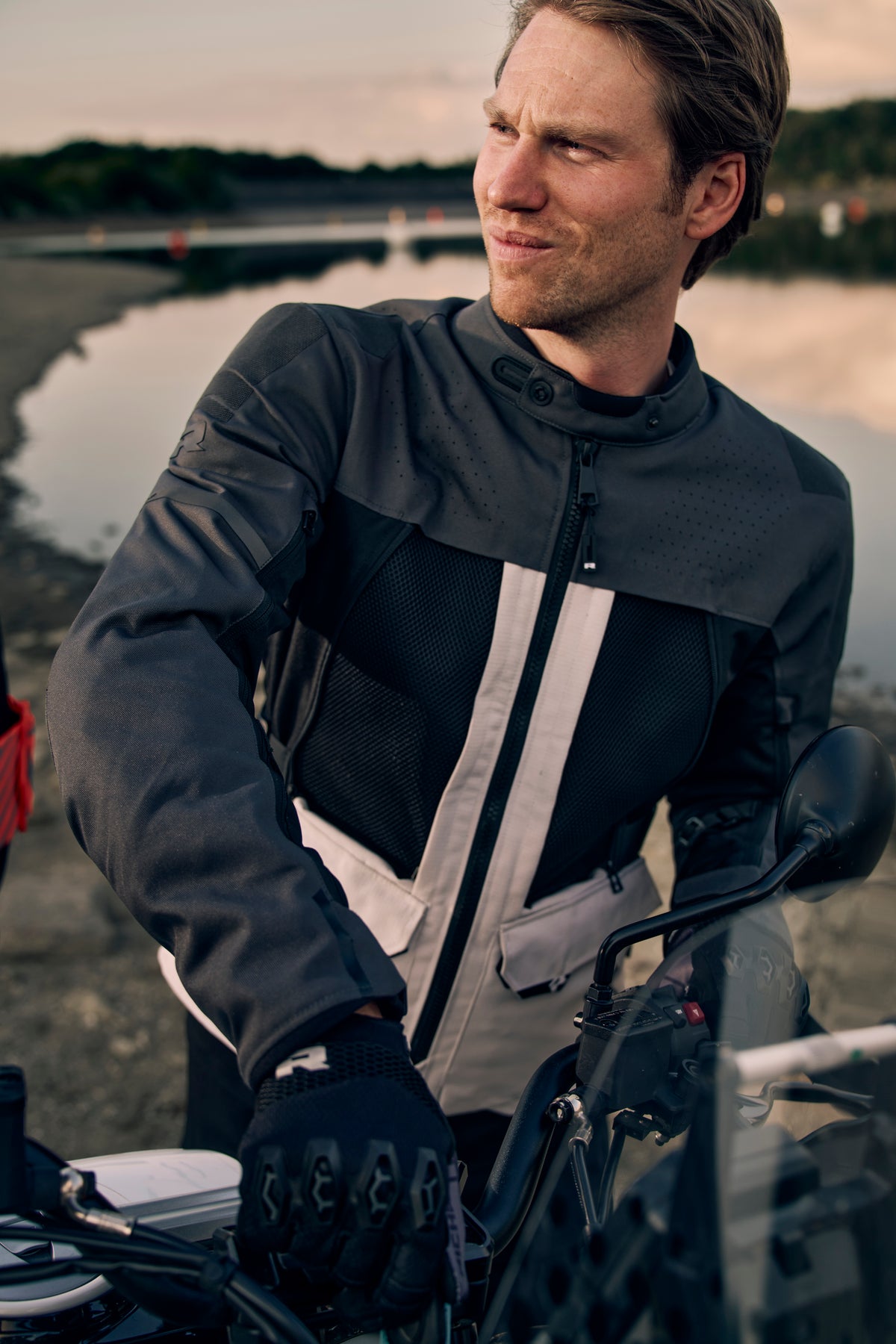
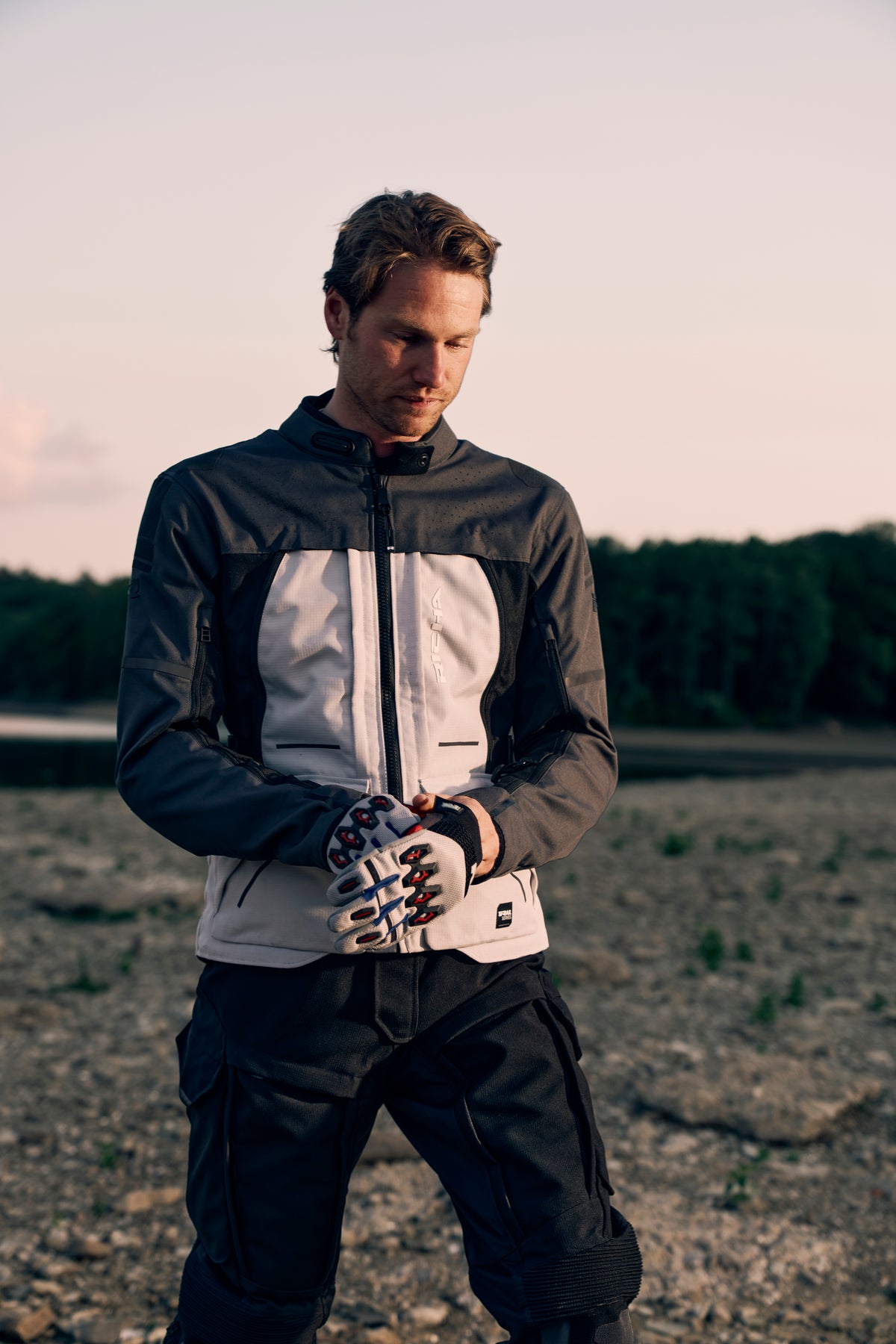
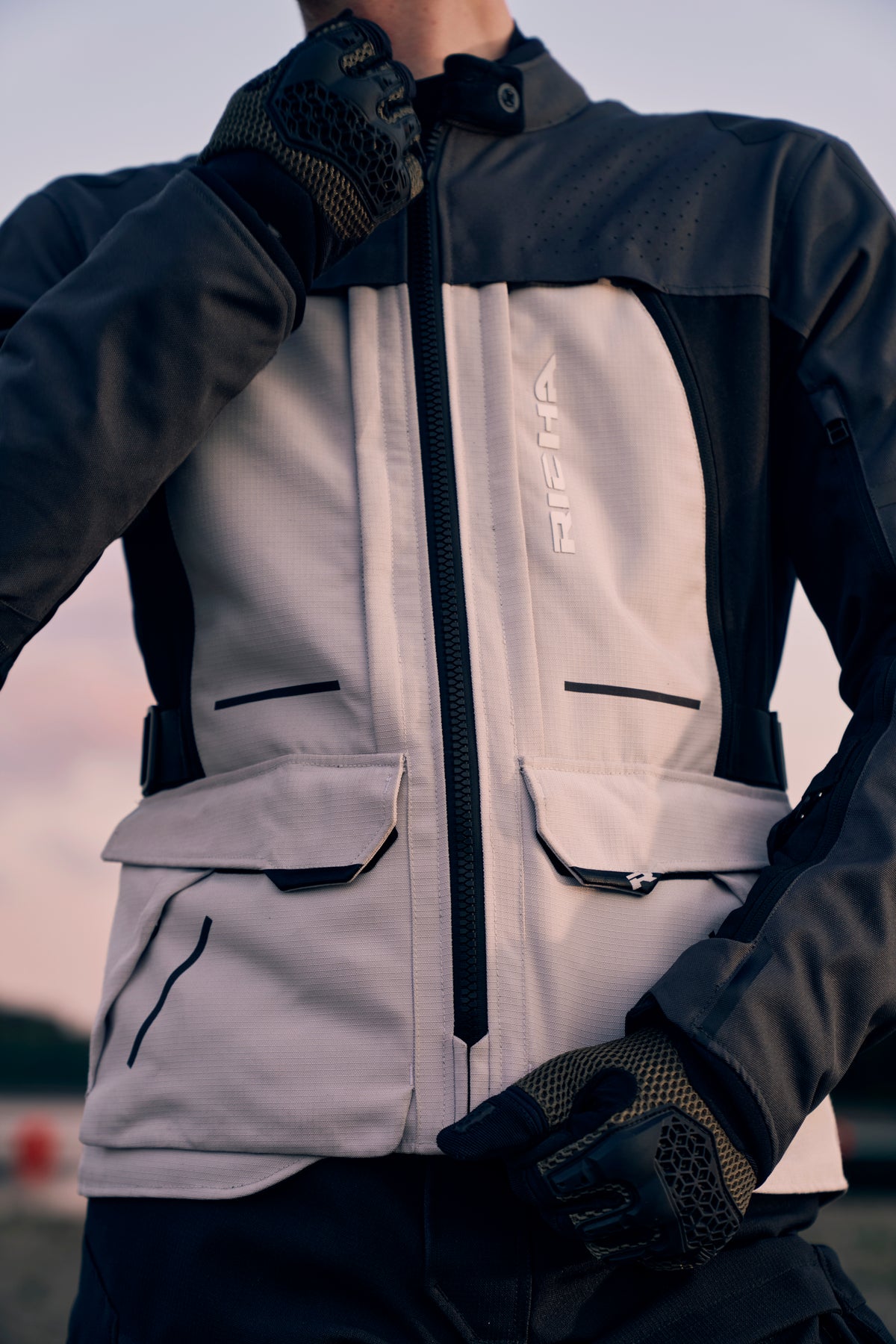
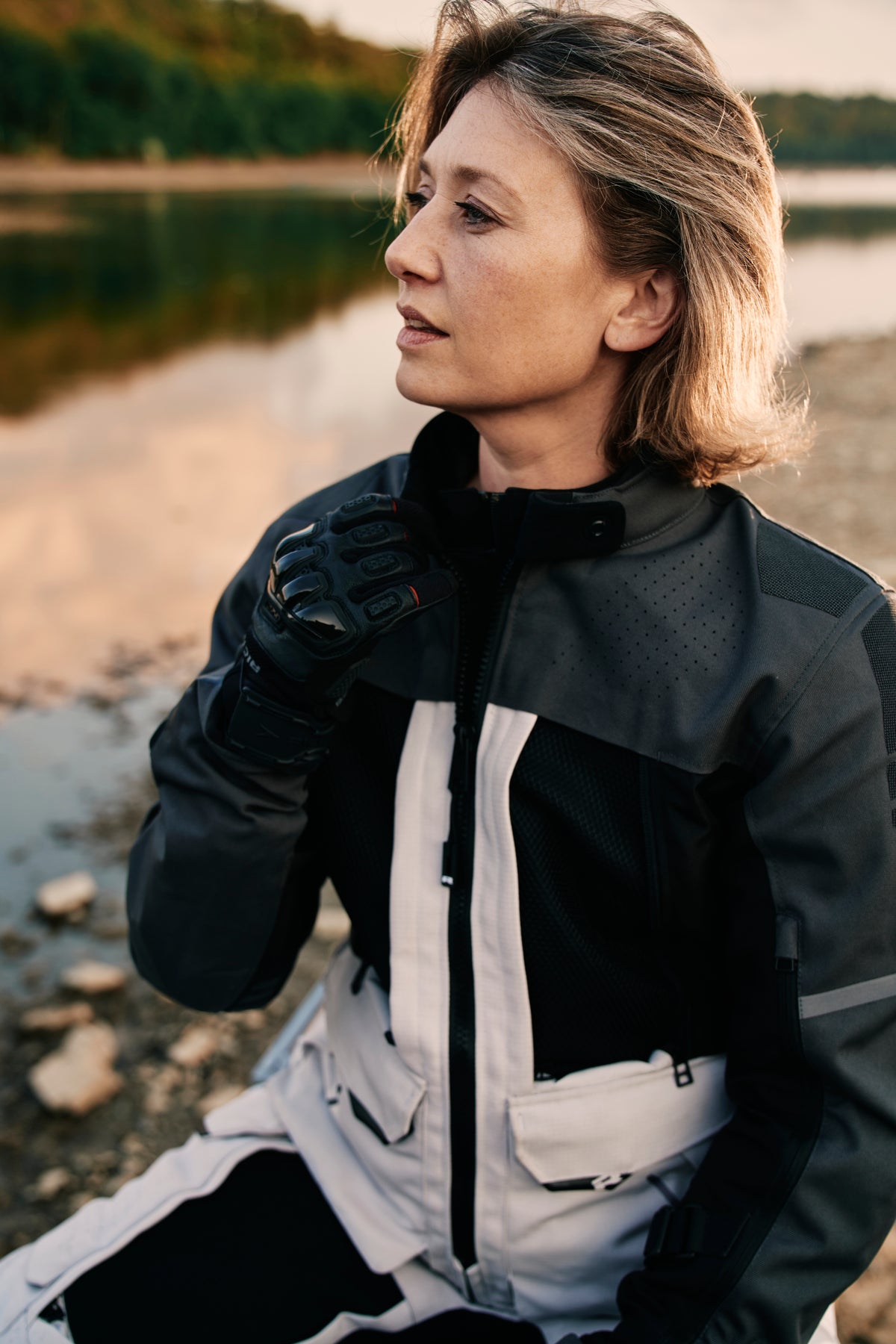
- Thermal or heated jacket and pants.. Try Richa’s Atlantic 2 GTX or Brutus Gore-Tex jackets.
- A full-face helmet to reduce wind chill
- A neck gaiter or balaclava to seal gaps
- Waterproof boots with good insulation. Try Richa’s Adventure X-Over WP boots.
Staying warm isn’t about comfort—it’s about control.

3. Tires Lose Grip Faster in Cold Weather
Cold asphalt provides less traction, and motorcycle tires take longer to warm up—if they warm up at all.
Key tips:
- Ride gently until tires have some heat
- Avoid sudden braking, acceleration, or aggressive lean angles
- Consider winter-appropriate or sport-touring tires rather than hard-compound tires
Remember: cold tires behave like hard rubber, not sticky performance tires.
4. Watch for Invisible Hazards
Winter roads hide dangers that aren’t always obvious.
Common winter hazards include:
- Black ice (especially on bridges, shaded areas, and early mornings)
- Wet leaves and road debris
- Salt, sand, and gravel left from road treatments
- Condensation or frost on painted road markings
Slow down in questionable areas and avoid riding at dawn or dusk when temperatures fluctuate.
5. Adjust Your Riding Style
Winter riding demands smoother, more deliberate inputs.
Ride smarter by:
- Increasing following distance
- Using gentle throttle and brake inputs
- Favoring engine braking over hard hand or foot braking
- Keeping the bike more upright in corners
Think “smooth and predictable,” not fast or aggressive.
6. Visibility Is Even More Important
Shorter days and poor weather reduce visibility—for you and for others.
Improve visibility by:
- Wearing high-visibility or reflective gear
- Keeping your visor clean and fog-free
- Using anti-fog inserts or treatments
- Making sure all lights are working properly
In winter, assume drivers see you even less than usual.
7. Maintain Your Motorcycle More Frequently
Cold weather is tough on motorcycles.
Winter maintenance tips:
- Keep the battery charged (cold drains batteries faster)
- Check tire pressure often (pressure drops in cold air)
- Ensure chain lubrication is winter-appropriate
- Watch for corrosion from road salt
A well-maintained bike is safer and more reliable in winter conditions.
8. Know When Not to Ride
The most important winter riding skill is knowing when to stay home.
Avoid riding when:
- Ice or snow is present
- Temperatures hover around freezing with wet roads
- Weather forecasts are unpredictable
- You’re fatigued or unable to stay warm
No ride is worth unnecessary risk.
Final Thoughts
Winter motorcycle riding isn’t for everyone—and that’s okay. But for riders willing to adapt, it can be a rewarding experience that builds skill, discipline, and confidence. With proper gear, cautious riding, and respect for the conditions, winter doesn’t have to end your time on two wheels.
Ride smart, ride warm, Ride Richa, and most importantly, ride safe.


