Behind the Design: How Richa Develops Motorcycle Apparel
What goes into creating a motorcycle jacket, pair of riding pants or gloves that riders can trust? At Richa, it starts long before a product ever reaches a showroom.
A motorcycle jacket may look simple hanging on a dealer's rack. But behind that jacket is a long process of research, design, material selection, testing, refinement and real-world feedback.
For Richa, developing motorcycle apparel is not simply about making something that looks good on a motorcycle. It is about understanding how riders actually use their gear—and then engineering products that balance protection, comfort, weather resistance, durability, functionality and style.
That philosophy has been developing for more than seven decades.
Richa began making leather motorcycle gloves in Belgium in 1952. The company expanded into motorcycle clothing in the 1970s and has continued developing protective apparel ever since. Today, Richa products are sold internationally, combining Belgian design expertise with advanced materials and protective technologies.
So what actually happens between an idea and the finished piece of Richa motorcycle apparel?
Let's take a look behind the design.
It Starts With the Rider

Good motorcycle apparel begins with a simple question:
What does the rider actually need?
Motorcyclists don't ride in a laboratory. They commute through traffic, cross mountain passes, ride through summer heat, encounter sudden rainstorms and spend hours in the saddle. They may ride a sportbike one weekend, commute to work the next and take a long-distance touring trip the weekend after that.
Their needs can change dramatically depending on the type of riding they do.
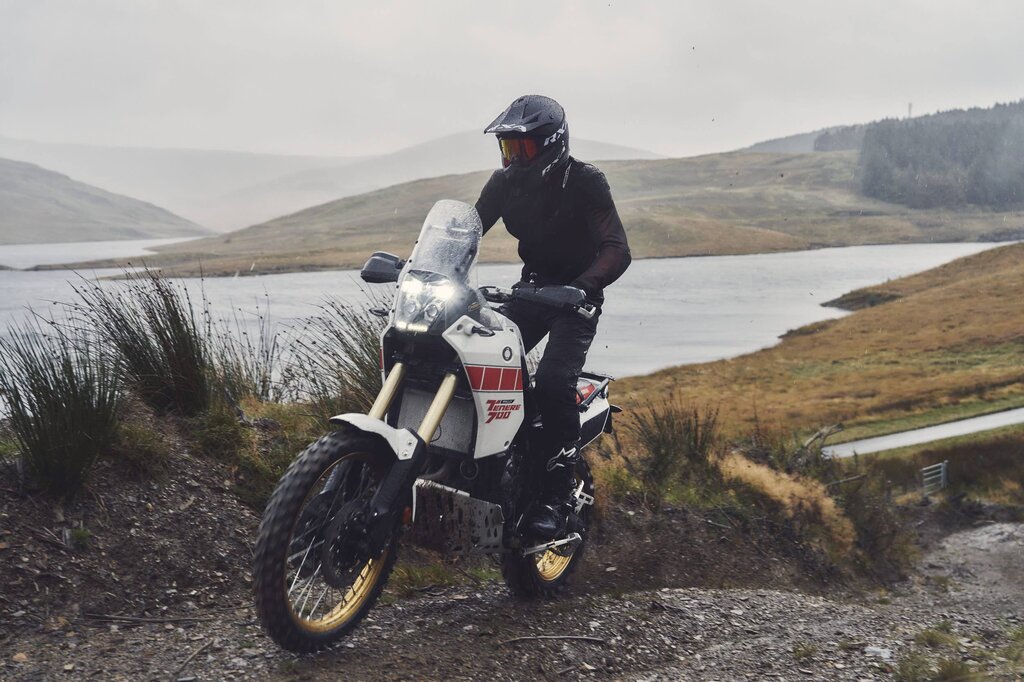
That's why Richa develops apparel for a wide variety of riding environments and styles—from adventure and touring to urban riding, commuting and sport riding.
The company's research and development process involves R&D professionals working together with external specialists, designers, suppliers and customers. According to Richa, collections are being developed as much as two years or more before they become available, allowing considerable time to optimize the products.
That long development cycle is important. Motorcycle apparel is too important to simply design a product, manufacture it and put it on a shelf.
Design Is About More Than Appearance
Style matters. Motorcyclists want protective apparel that looks good and fits their personal riding style. But appearance is only one part of the equation.
A successful motorcycle garment has to work with the rider's body and the motorcycle.
That means considering things such as:
- How the garment fits in a normal riding position
- How much freedom of movement the rider needs
- Where armor should sit
- How the garment performs in rain
- How air moves through the jacket in hot weather
- How the garment works with layers in colder conditions
- Where abrasion-resistant materials are most valuable
- How easy the garment is to adjust
- How pockets, zippers and closures function while riding
- How the garment performs during long hours in the saddle
These considerations are why motorcycle apparel is very different from ordinary clothing.
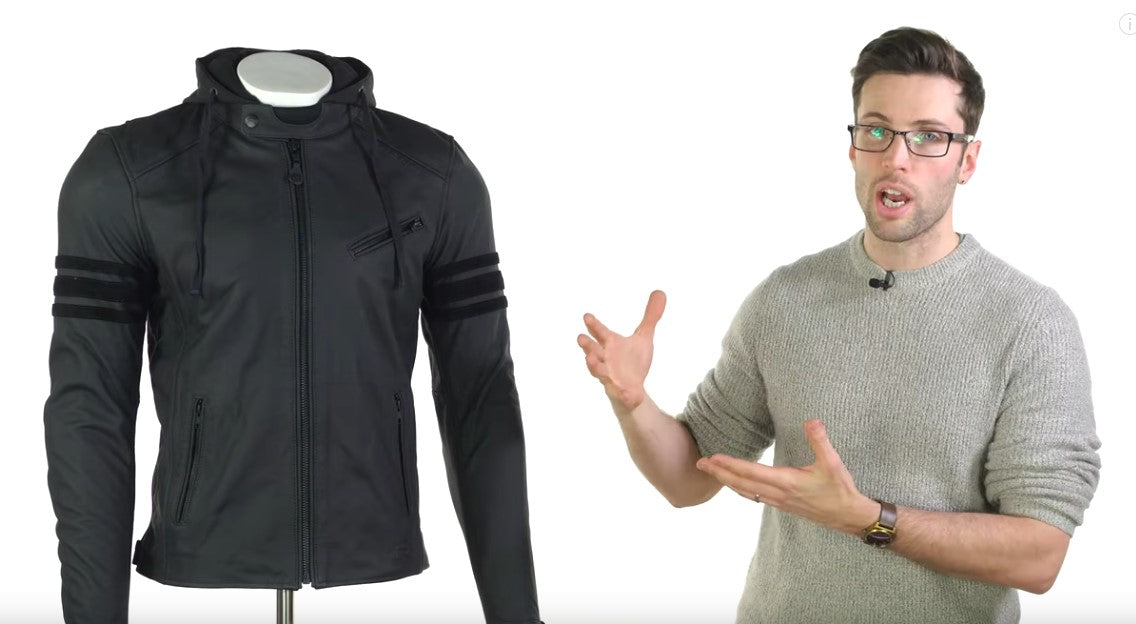
A jacket can look excellent on a mannequin and still be uncomfortable after six hours on a motorcycle. Richa's approach is to design its gear specifically around the demands of motorcycling.
Choosing the Right Materials
One of the most important decisions in product development happens before the first production garment is made:
Which materials should be used?
Different materials solve different problems.
For example, Richa uses Cordura® in products where high durability and abrasion resistance are important. Its materials portfolio also includes SuperFabric®, Armacor®, Ripstop, Softshell and 3M™ Scotchlite™ reflective materials.
Each material has a purpose.
Cordura®
Cordura is valued for its durability and abrasion resistance and is used throughout motorcycle apparel where strength and longevity matter.

SuperFabric®
SuperFabric incorporates a distinctive surface of small hard guard plates designed to provide high levels of abrasion and cut resistance while retaining flexibility. Richa uses it in selected high-wear and crash-prone areas.
Armacor®
Armacor combines Cordura with Kevlar fibers to create highly abrasion-resistant textile construction for critical areas of motorcycle clothing.
3M™ Scotchlite™
Visibility is another part of protection. Richa incorporates 3M Scotchlite reflective materials into many garments to improve visibility when riding in low-light conditions.
And then there is waterproofing.
Keeping Riders Dry Without Making Gear Miserable
Weather protection sounds straightforward: keep the rain out.
The challenge is doing that without turning a motorcycle jacket into a hot, heavy plastic shell.
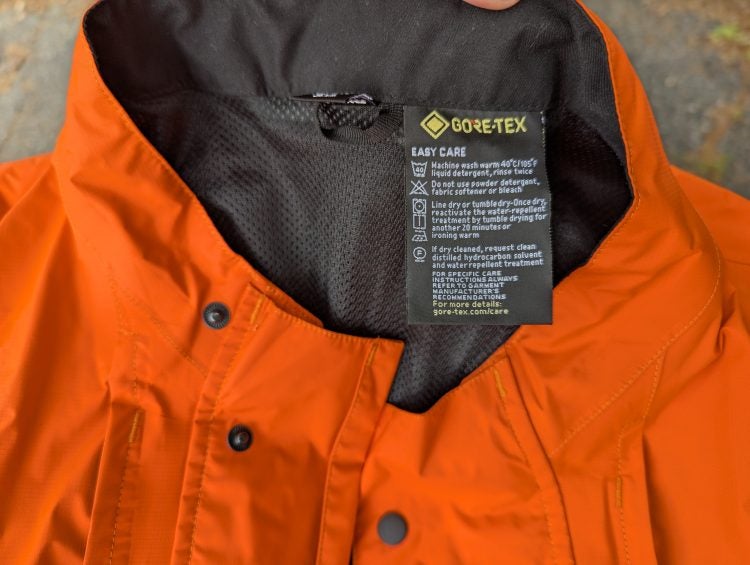
This is where technologies such as GORE-TEX® and Richa's Aquashell® waterproofing systems come into play.
Richa has a long history with waterproof motorcycle apparel and produced its first certified GORE-TEX motorcycle gloves in 2011. The company subsequently achieved GORE-TEX certification for its motorcycle clothing.
Today, GORE-TEX technology appears in many Richa products designed for riders who need waterproof protection while maintaining breathability.
The design challenge is always the same:
Keep the weather outside while helping the rider remain comfortable inside.
That becomes particularly important when a rider starts a journey in cool weather, encounters rain several hours later and eventually rides into warmer temperatures.
Protection Has to Move With the Rider
Motorcycle armor creates another design challenge.
Traditional hard armor can provide substantial impact protection, but protection that is uncomfortable or restrictive can discourage riders from wearing their gear consistently.
That's one reason Richa has worked with D3O® since 2014. D3O is a flexible impact-protection material that remains relatively soft and flexible during normal movement but is designed to absorb and dissipate energy during an impact.
The objective is not simply to put armor into a jacket. The armor needs to work as part of the garment. Shoulder and elbow protectors have to move with the rider. Back protection needs to fit naturally. Armor needs to remain properly positioned while riding.
The result should be protection that riders are comfortable wearing—not something they tolerate because they have to.

Testing and Standards Matter
Motorcycle apparel isn't just another category of clothing.
Protective riding gear has to meet recognized safety requirements.
Richa's commitment to certification became particularly significant in 2021, when the company's complete collection achieved EN 17092 certification.
EN 17092 is a European standard for protective motorcycle garments that evaluates aspects of protective performance, including abrasion resistance and garment construction.
Certification doesn't replace thoughtful design. It reinforces it.
For riders, it provides another level of confidence that the apparel has been developed and evaluated according to recognized protective standards.
Richa's relationship with professional riders and organizations provides another important real-world perspective. In 2005, the Belgian police selected Richa motorcycle clothing for its officers, followed later by the Dutch police.
Professional riders and motorcycle police place demands on apparel that ordinary everyday clothing simply doesn't encounter.
Durability, weather protection, comfort, visibility and protection all become critical when gear is used day after day.
Feedback Doesn't End When the Product Is Finished
A product launch isn't necessarily the end of the development process. It's another source of information.
Riders discover things that may not be obvious during initial design. They use pockets differently. They find new ways to adjust a garment. They ride in weather conditions the designer may not have anticipated. They wear a jacket for hundreds of hours and discover which details work brilliantly—and which could be improved.
That kind of feedback is valuable because motorcycle apparel is ultimately designed for one environment: real life on a motorcycle.
Richa's R&D process specifically identifies customers as part of the development process, alongside designers, suppliers and external specialists.
That creates a continuous feedback loop:
Rider needs → research → design → materials → development → evaluation → rider feedback → refinement
And then the process begins again.
Why Richa Designs Its Gear In-House
There is another important part of the Richa development philosophy that doesn't necessarily show up when you look at a finished jacket.
Richa states that its gear is designed in-house, allowing the company to draw on its Belgian expertise while closely following both motorcycle trends and evolving safety regulations. That combination matters.
Motorcycle apparel has to perform technically, but it also has to belong in the world of motorcycling. A touring jacket should look like a touring jacket. An urban riding shirt should be appropriate away from the motorcycle. Adventure apparel needs to provide functionality without unnecessarily restricting movement. Sport apparel has different requirements again.
The goal isn't to make every Richa product look the same. It's to give each product a clear purpose while maintaining the qualities that define the brand.
The Details Riders Don't Always Notice
Some of the best product development decisions are the ones riders barely notice.
A zipper that works smoothly while wearing gloves.
A collar that doesn't irritate the neck after hours of riding.
A vent positioned where it actually captures airflow.
A pocket located where it can be reached while sitting on the motorcycle.
Reflective material integrated into the garment rather than added as an afterthought.
A stretch panel that gives the rider enough flexibility to move naturally.
A removable liner that allows one jacket to work across several seasons.
These aren't necessarily the features that appear in a large headline on a product page.
But together, they can make a substantial difference in the riding experience.
That's what thoughtful motorcycle apparel design is about.
One Jacket. Many Conditions.
Modern riders increasingly expect versatility from their gear.
A rider may leave home on a cool morning, encounter rain at lunchtime and finish the day riding in sunshine.
A commuter may need protection on the way to work but want a garment that doesn't look out of place once the motorcycle is parked.
An adventure rider may travel through multiple climates during a single trip.
This is why Richa places considerable emphasis on adaptable designs, removable layers, ventilation, waterproofing and versatile construction.
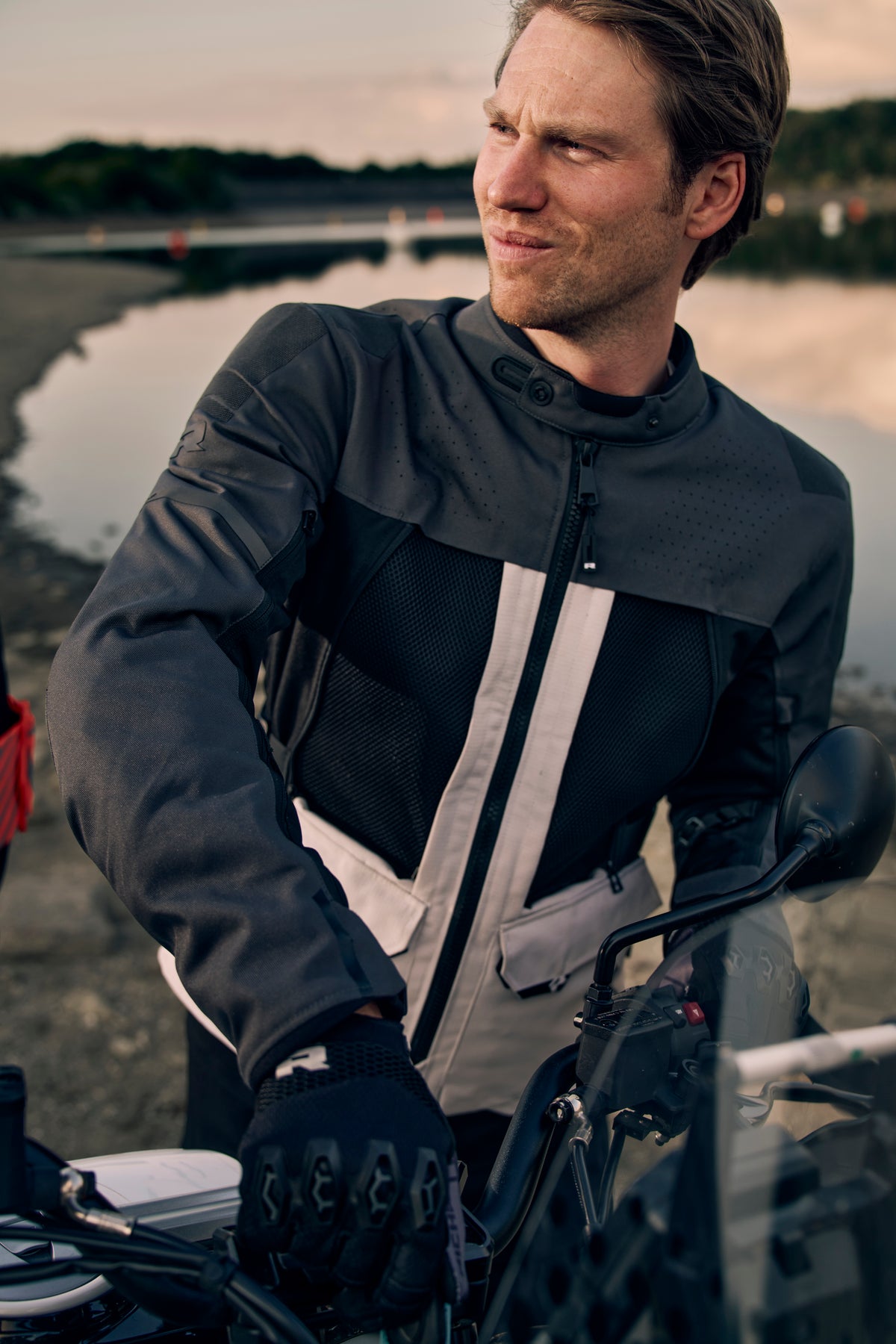
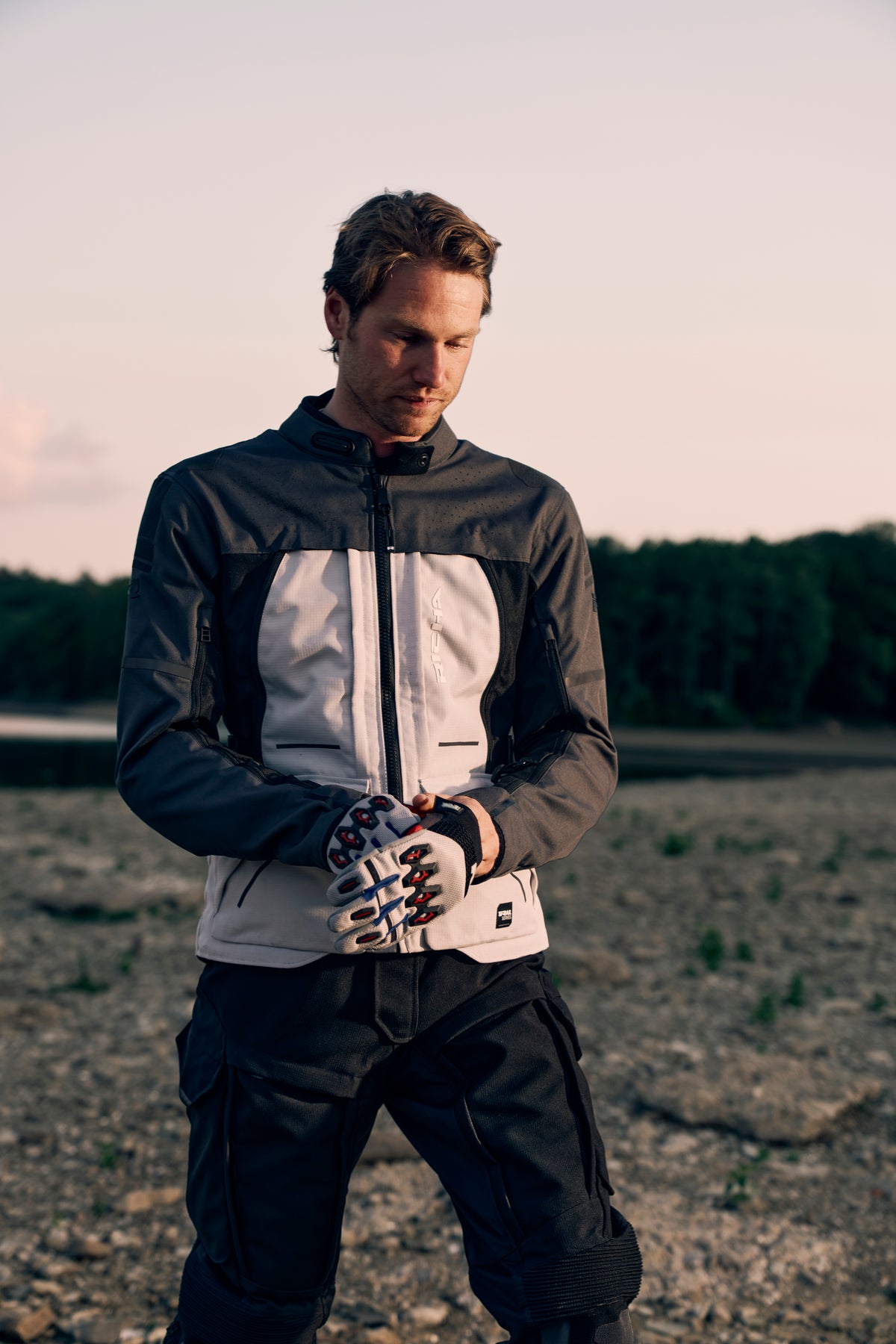
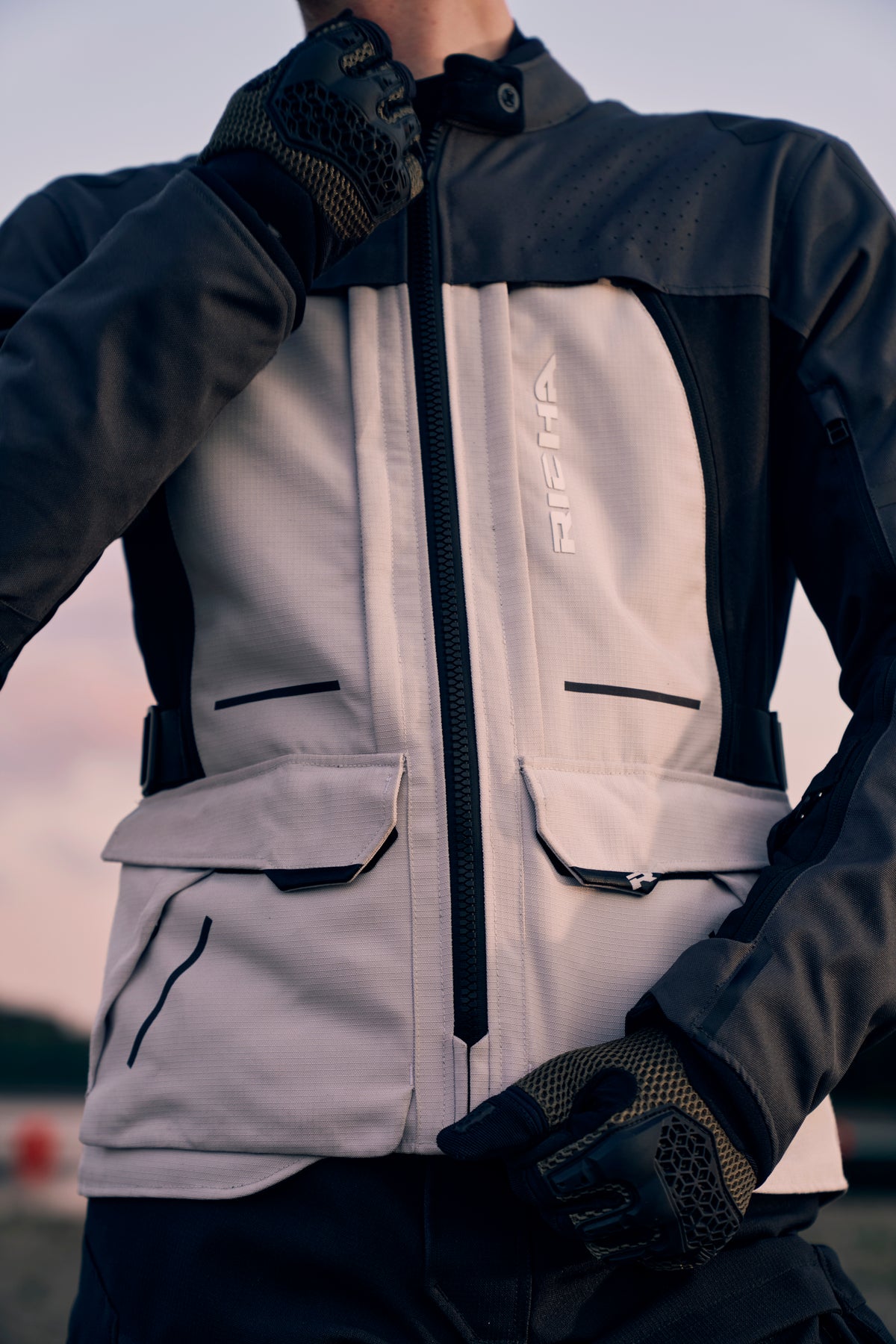
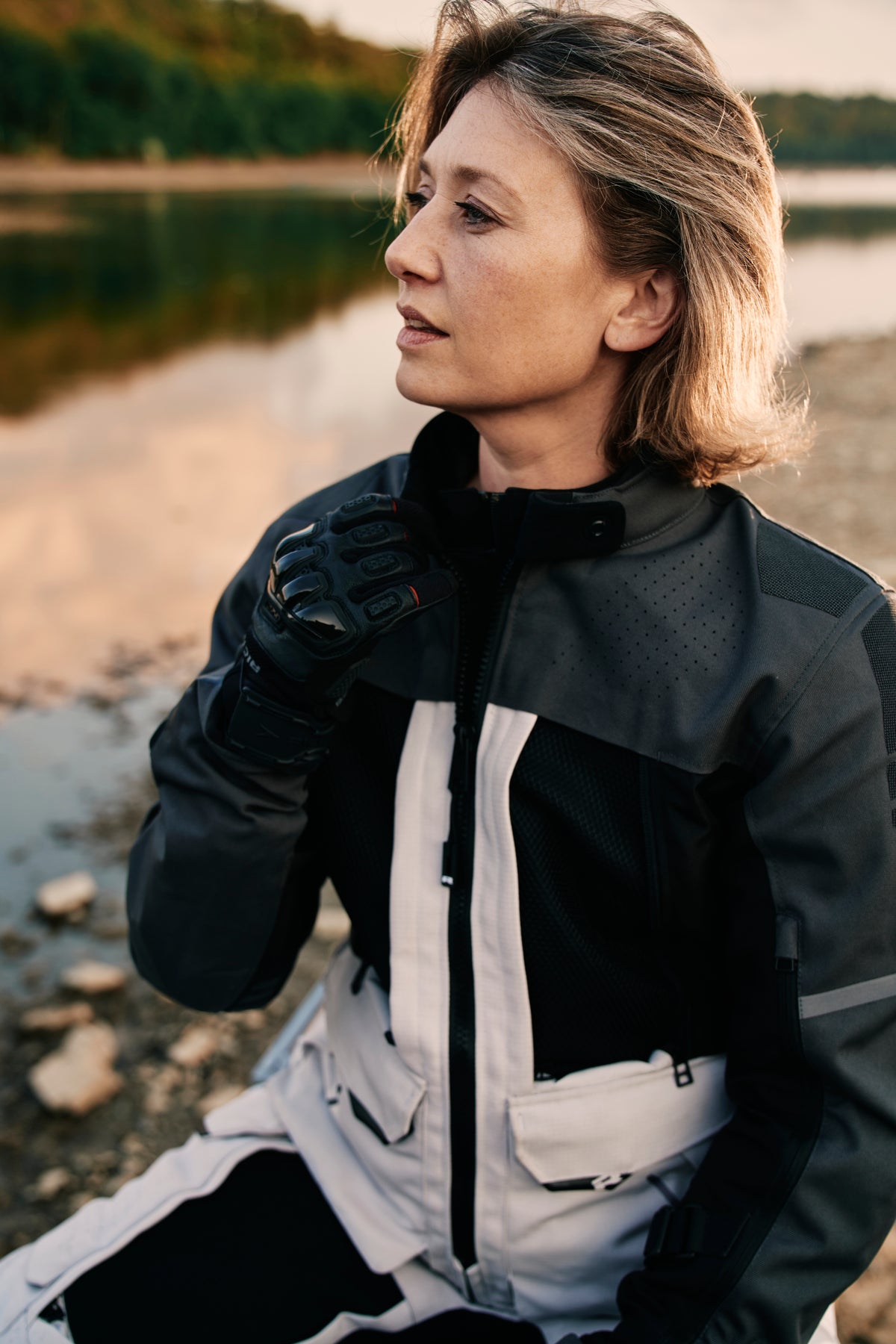
For example, current Richa products such as the Infinity 3 Adventure Jacket combine a removable thermal liner and removable waterproof layer with D3O protectors and EN 17092 Class AA certification.
The objective is simple:
One piece of gear should be capable of doing more.
Seven Decades of Learning
Perhaps the most important ingredient in Richa's design process isn't a particular fabric or armor technology. It's experience. Richa has been developing motorcycle apparel for more than 70 years.
The company began with leather gloves in 1952. It moved into motorcycle clothing, developed relationships with specialized material suppliers, introduced GORE-TEX technology, partnered with D3O, developed protective apparel for police forces and ultimately achieved EN 17092 certification across its complete collection.
Technology changes. Materials change. Riding styles change. Safety standards evolve.
But the underlying objective remains remarkably consistent:
Create motorcycle apparel that helps riders stay protected, comfortable and focused on the ride.
The Future of Motorcycle Apparel
The next generation of motorcycle apparel will likely continue pushing the balance between protection and comfort.
Materials will become lighter and more adaptable. Ventilation will become more sophisticated. Waterproofing will continue to evolve. Impact protection will become more comfortable and efficient. Sustainability will increasingly influence material choices and manufacturing.
And riders will continue to expect more from their gear.
Richa's approach is to anticipate those demands rather than simply react to them.
With its R&D process looking years ahead, the development work happening today may not appear in a showroom for quite some time. That's the part of motorcycle apparel development most riders never see.
When you put on a Richa jacket, you're seeing the final result—not the research, material selection, design revisions, testing, certification and feedback that came before it.
The Bottom Line
The best motorcycle apparel doesn't happen by accident.
It comes from understanding riders, studying materials, applying technology, designing for real-world conditions, evaluating performance and continuously looking for ways to improve.
That's the philosophy behind Richa.
More than 70 years of motorcycle experience. Advanced protective materials. European design expertise. Real-world rider needs. And a commitment to keep improving.
Because ultimately, designing motorcycle apparel isn't about creating another jacket.
It's about creating something a rider can depend on when the road ahead gets unpredictable.
Explore Richa Motorcycle Apparel
Discover the latest collection of Richa motorcycle jackets, pants, gloves, riding jeans, adventure gear, waterproof apparel and protective riding equipment at RichaUSA.
Ride farther. Ride smarter. Ride Richa.